How to Protect Your Car's Paint Before Winter
Road salt, grit and months of wet roads wear paint down. How to protect your car's paint before winter, what you can do yourself and when to do it.

The best time to protect your car's paint for winter is before the gritters come out, while the weather is still dry and mild enough for a sealant to go on properly. In practice, for most of the North West, that means October or early November.
The job itself is simple to describe: get the paint, wheels and arches properly clean, take off the contamination a normal wash leaves behind, then put a layer of protection on top. That layer makes salt and road grime harder to stick and easier to rinse off all winter, so every wash is quicker and gentler on the paint.
Below is why winter is hard on paint, what you can do yourself, how we prepare a car for winter on our jobs and how to keep it right until spring.
Why winter is hard on your car's paint
Winter in Cheshire, Merseyside and Flintshire means months of wet roads, and from the first cold snap, salt and grit. Each of these causes its own problems:
- Road salt. Salt mixed with water speeds up rust wherever bare metal is exposed: stone chips on the bonnet, the edges of wheel arches, the underside. It also leaves a grey film that dulls the paint and dries into a crust.
- Grit and road grime. The spray thrown up by other cars is full of fine grit. Wipe it off a dirty car, or put a dry cloth or brush on it, and you drag that grit across the paint. That's how a lot of winter swirl marks start.
- Wet months. Dirt barely gets a chance to dry and blow off. The car stays coated in a damp, salty film for weeks at a time, and short daylight hours mean most people wash less, not more.
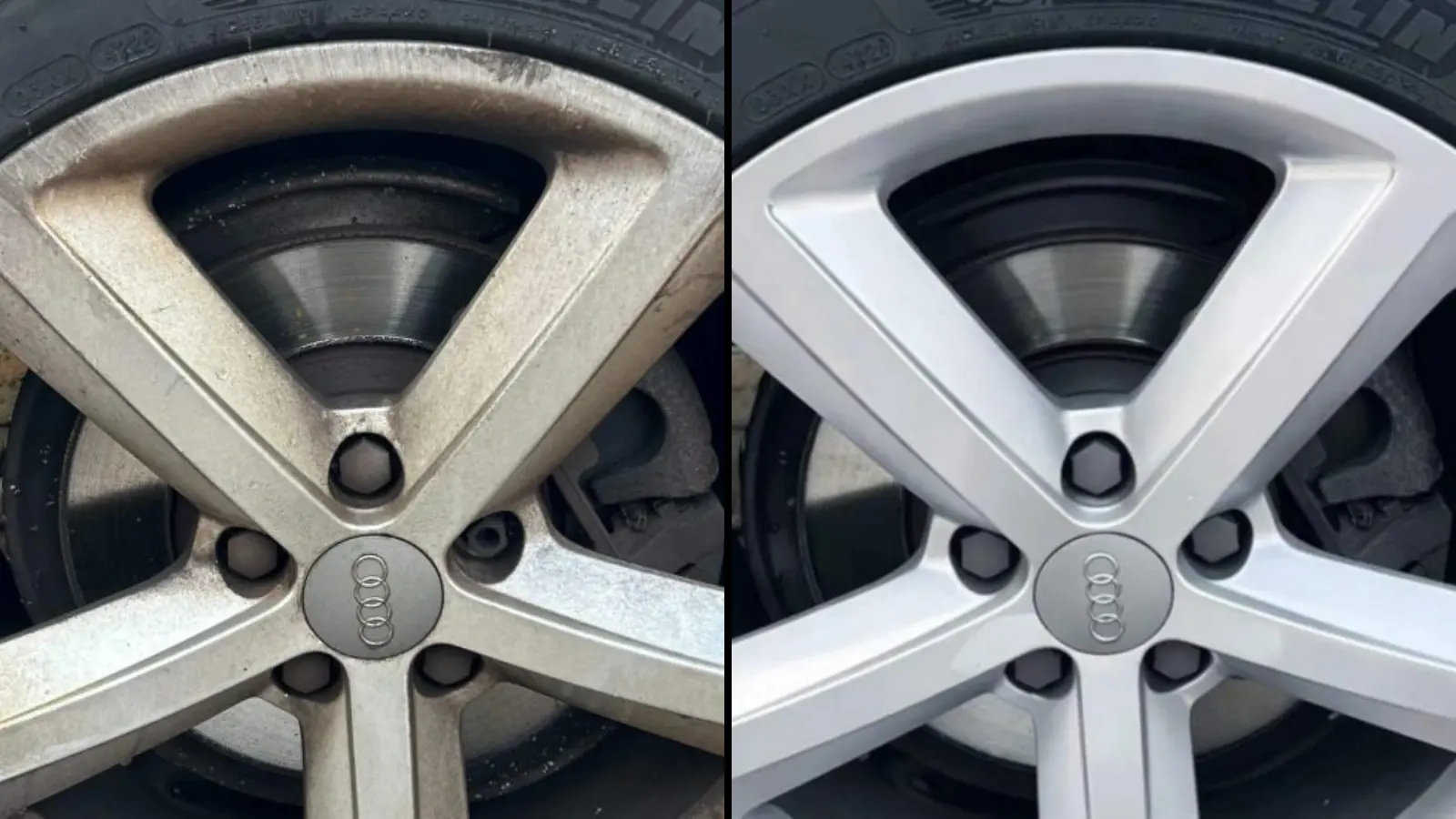
- Brake dust. It builds up all year, but in winter it mixes with wet road grime and clings. It contains tiny iron particles that bond to the wheels and paint, show as orange specks on light colours, and get harder to shift the longer they sit.
Near the coast, on the Wirral for example, there's salty air to add to the salt on the roads. None of this will ruin a car in one winter, but it adds up year after year, and it's far easier to prevent than to correct.
What protection actually does
A wax, sealant or coating is a thin layer that sits on top of the clear coat. Water beads up and runs off it rather than sitting flat, and dirt, salt and grime struggle to bond to it. When you wash, more of the muck comes away with the pre-wash and the rinse, so less of it needs scrubbing off with a mitt.
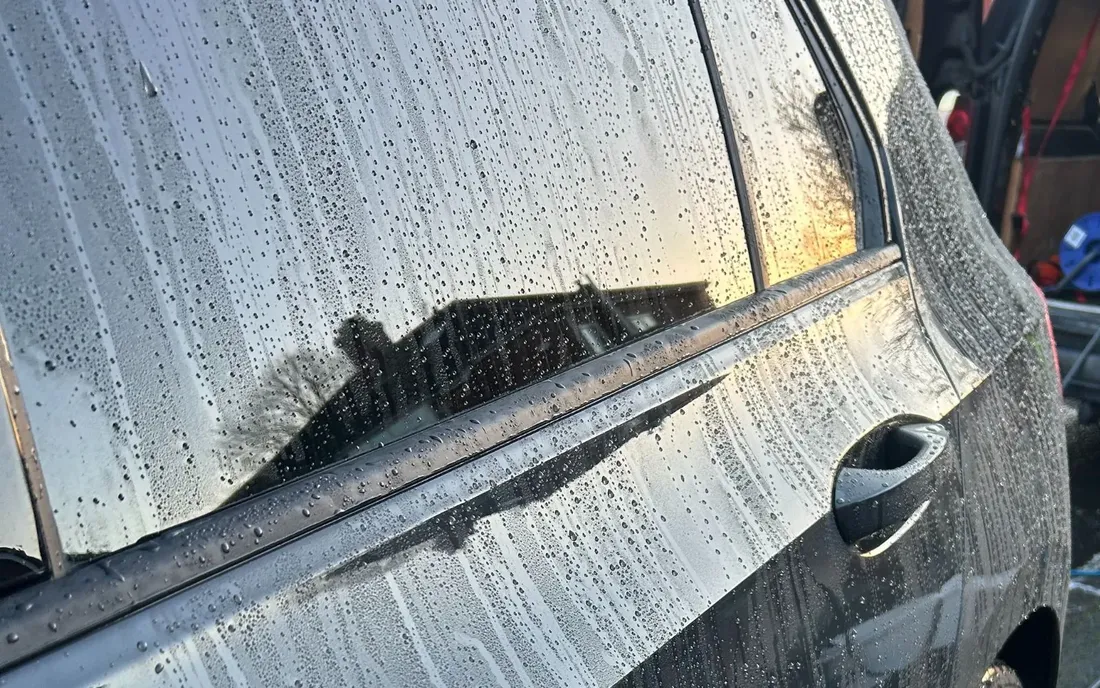
It's worth being clear about what protection can't do. It isn't armour: it won't stop stone chips, and it won't make the car self-cleaning. It also protects the paint in the condition it's in, so if the paint is already swirled or dull, those marks stay underneath. If that bothers you, the paint needs polishing before the protection goes on, not after.
Why the timing matters
Protection needs to go on clean, dry paint, and sealants and coatings need dry conditions to bond properly. That's easy in early autumn and much harder in a cold, damp December, when the car rarely gets a chance to dry out. It's one reason our ceramic coatings are booked by quote: the right weather is part of the job.
There's also the dirt itself. Get the car properly clean before the salt goes down, and the protection goes on fresh paint. Leave it until January, and the first step is getting weeks of salty film off the car before anything else can happen.
What you can do yourself before winter
On a car that's been looked after, a careful wash and a spray sealant at home is a good start. Pick a dry, mild day and work in this order:
- Wheels, tyres and arches first, with separate brushes and a separate bucket, so brake dust and grit don't end up on your paint mitt.
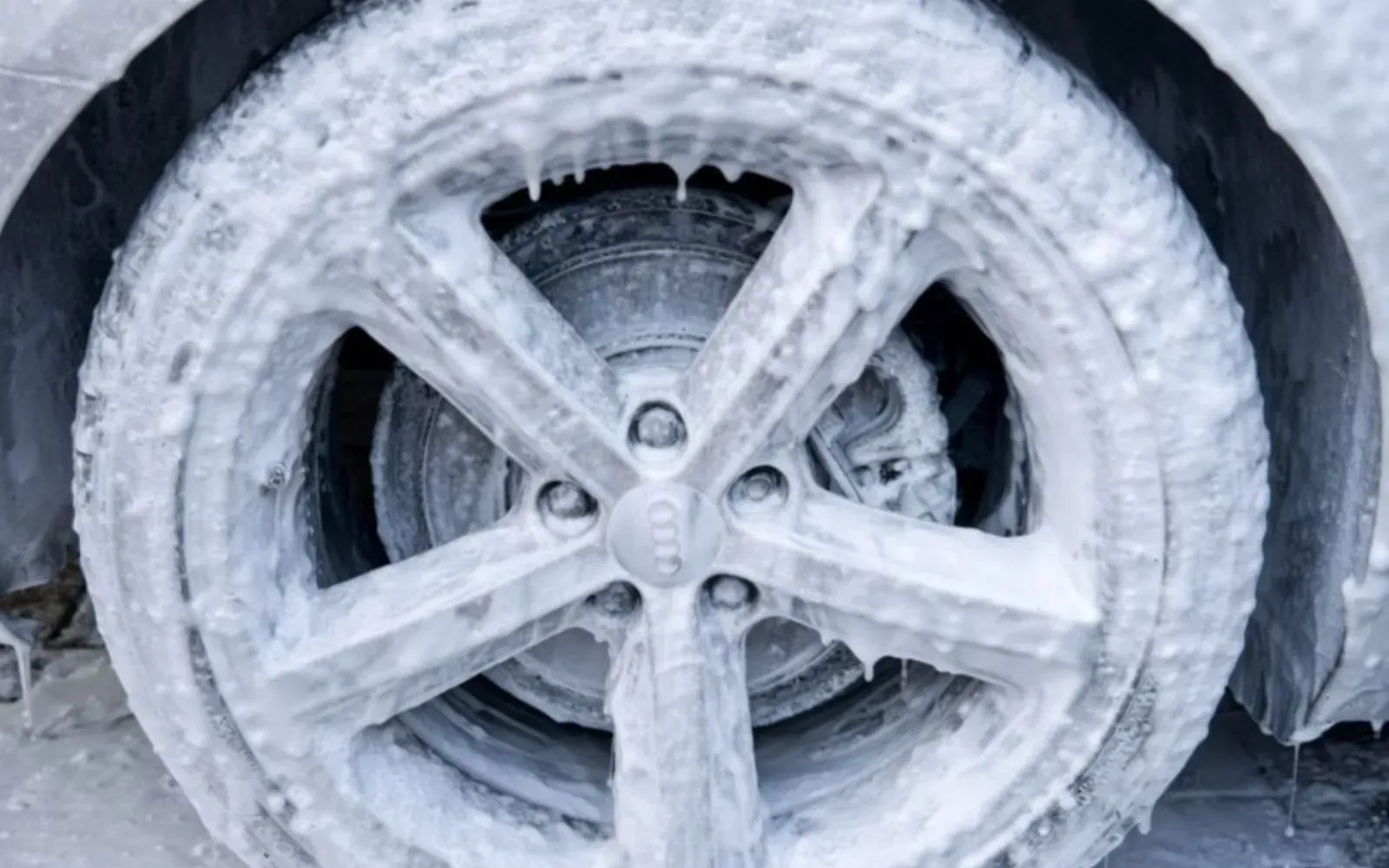
- Pre-wash the car with a snow foam or pre-wash spray and rinse it off. This lifts loose dirt before anything touches the paint.
- Hand wash with two buckets: one with shampoo, one with clean water to rinse the mitt, ideally with a grit guard in each. Work from the roof down.
- Dry with a clean, plush microfibre towel, and open the doors, boot and fuel flap to wipe out the water that collects there.
- Apply a spray sealant or wax to the dry paint, following the product's instructions, one panel at a time.
- Clean the glass inside and out. Low winter sun on a smeary windscreen is hard to see through.
Where DIY usually stops: the paint feels rough when you run your fingertips over it after washing, there are tar spots along the sills, or a light-coloured car has orange specks that won't wash off. That's bonded contamination, and a sealant applied on top of it won't bond as well or last as long. It needs chemical decontamination and often a clay bar first.
For more on washing without causing marks, see our article on why hand car washes scratch your paint.
How we prepare a car for winter
On our jobs the aim is the same as at home, just taken further: get the paint truly clean, then protect it while it's clean. For most cars heading into winter, that's our Protection Detail, done at your home or workplace.
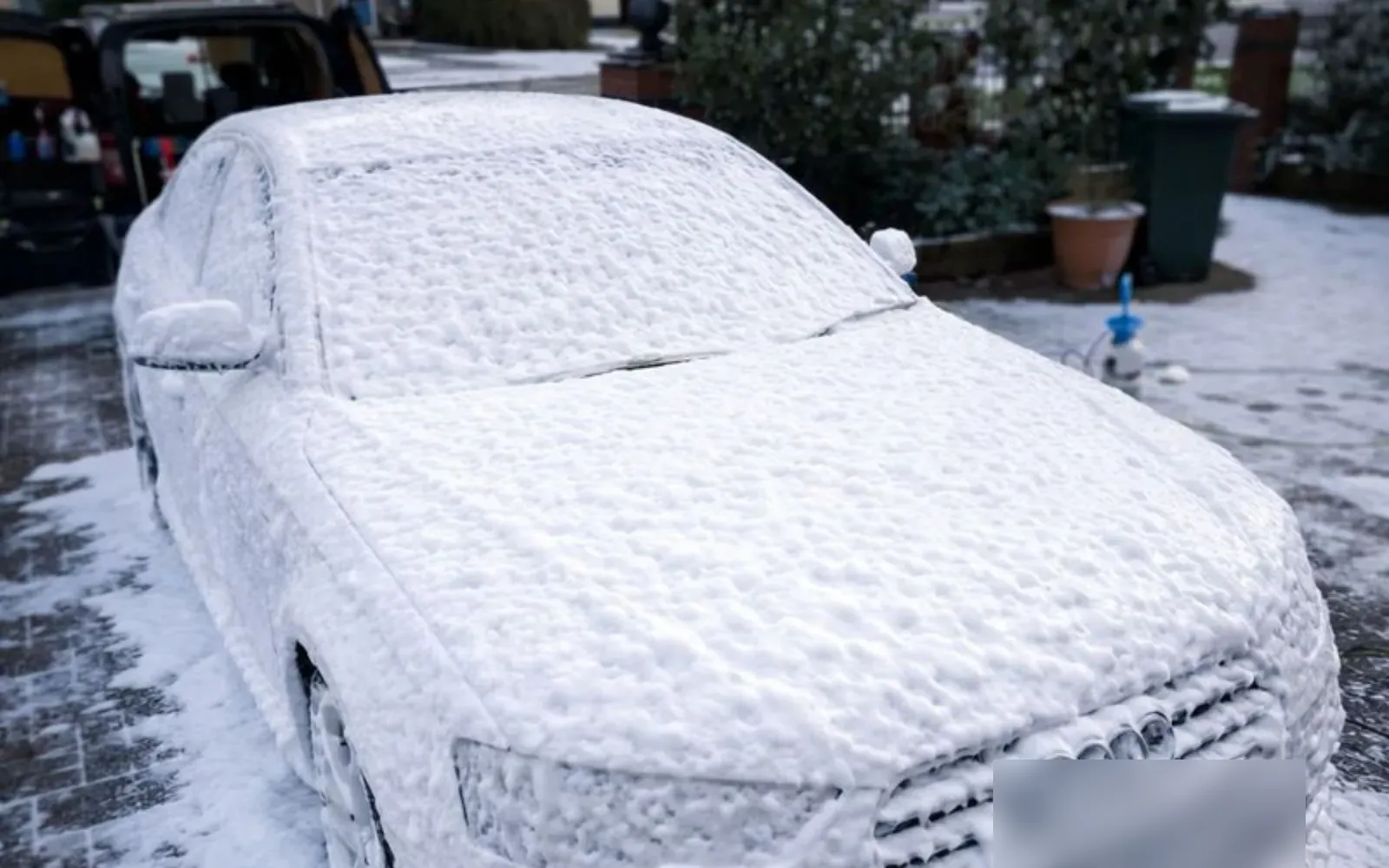
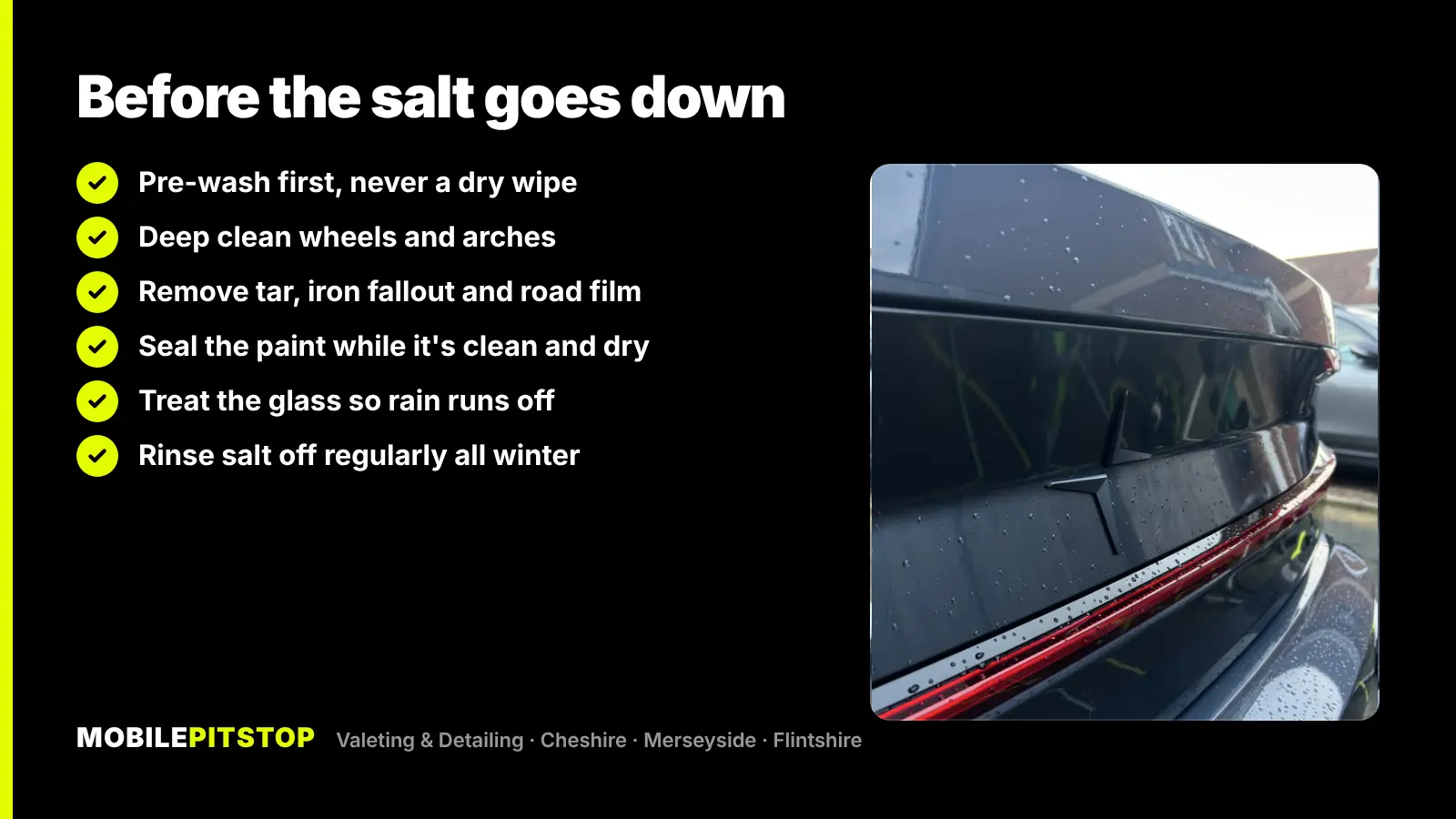
- Snow foam pre-wash and two-bucket hand wash, so the bulk of the dirt comes off without being dragged across the paint.
- Wheels, tyres and arches deep cleaned. The arches hold a lot of salty grime through winter, so they get cleaned properly, not just rinsed.
- Chemical decontamination to remove tar, iron fallout and road film.
- Clay bar decontamination, so the paint is glass-smooth and the protection bonds to the paint itself, not to leftover contamination.
- A 6-month ceramic sealant on the paint, applied before the worst of the weather, which takes it through the salt season.
- Glaco hydrophobic coating on the glass, so rain runs off the windscreen more easily.
The Protection Detail also includes everything in our In & Out Deep Clean, so the interior gets done too, which helps with the wet mats and muddy footwells winter brings. If the paint is dull or swirled, a 1-stage machine polish can be added before the protection goes on. If you only want the outside done, an Exterior Detail includes the chemical decontamination and finishes with protection applied.
Not sure which your car needs? Send us a few photos in daylight and we'll tell you straight, including when a cheaper service will do.
Keeping it right through winter
Protection makes winter washing easier, but it still needs washing. Salty grime left on for weeks wears protection down faster and starts to cling again. A few habits make a real difference:
- Rinse off salt regularly, especially after a spell of gritted roads. Pay attention to the arches, sills and the lower half of the car, where the spray hits hardest.
- Never wipe a salty car with a dry cloth, or brush snow off with anything stiff. That's grit on paint, and it scratches.
- Keep the pre-wash and two buckets going even in the cold. Winter dirt is the most abrasive dirt of the year.
- Avoid automatic brush washes if you can. The brushes carry grit from the cars before yours.
If you'd rather not wash in the cold and dark, our Maintenance Wash is built for a car that's already been deep cleaned and protected: snow foam, a two-bucket hand wash, wheels and arches, and a hand dry. Booked regularly through the maintenance plan, it keeps the car at that standard at a lower price per visit.
Common questions
When should I protect my car's paint for winter?
Ideally in October or early November, before the roads are gritted and while the weather is still dry and mild enough for a sealant to bond properly. Protecting a car in the middle of a wet winter is possible, but it's harder to get the paint clean and dry first.
Does road salt damage car paint?
Salt mixed with water speeds up rust where bare metal is exposed, such as stone chips, arch edges and the underside. On the paint itself it leaves a dull, gritty film that can scratch if it's wiped off dry.
Is a wax or a sealant better for winter?
Both help water and dirt run off. A sealant usually lasts longer than a traditional wax, which is why our Protection Detail uses a 6-month ceramic sealant applied before winter.
Do I still need to wash my car if it's protected?
Yes. Protection makes washing easier and gentler, but salty grime left on for weeks still wears it down. Rinsing salt off regularly, with a pre-wash and two buckets, keeps the protection working.